
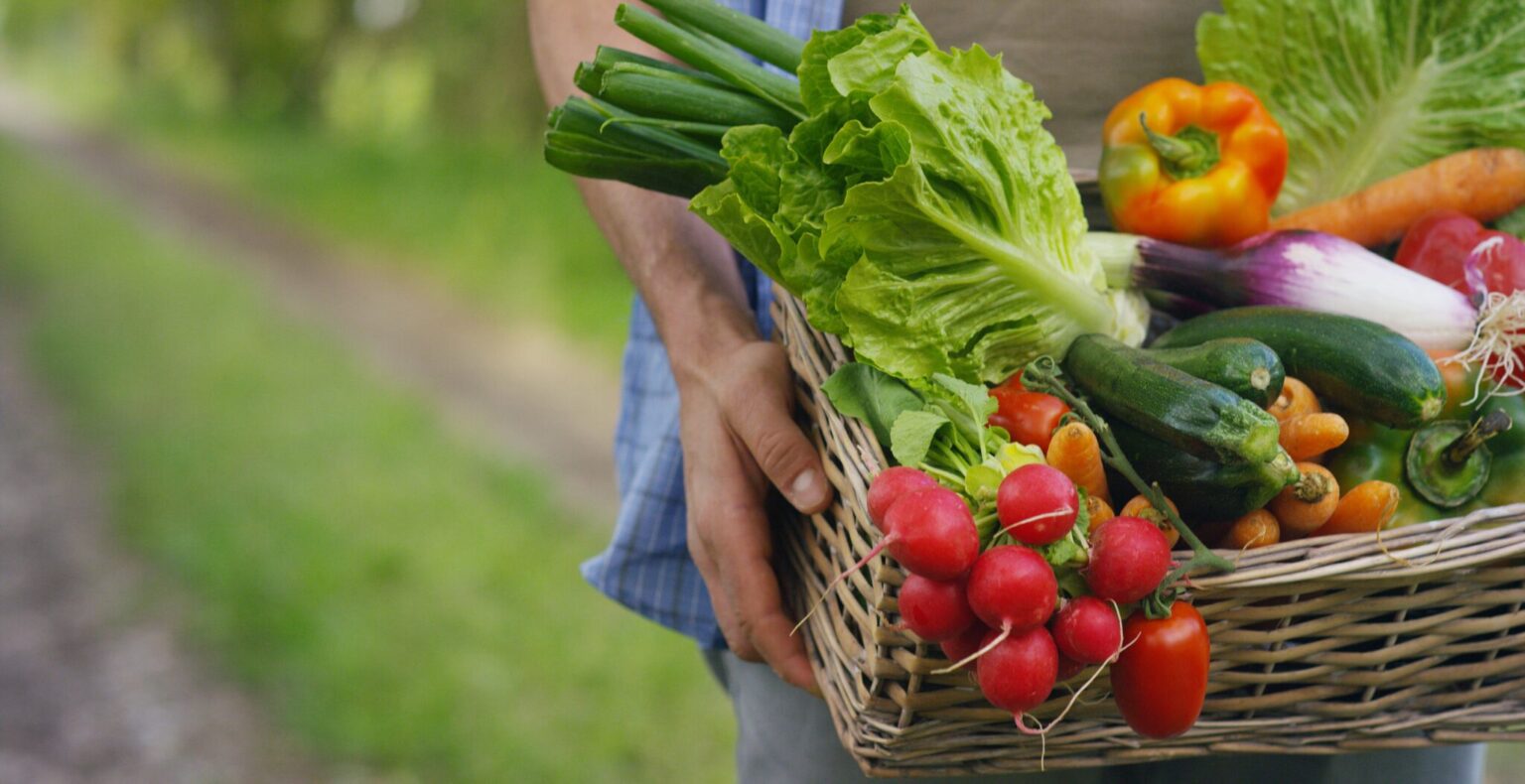
A balanced and varied diet is the foundation for maintaining your health. One of the key components of the diet for each of us should be vegetables, which contain a wide range of important substances such as fiber, vitamins, and minerals. Vegetables also help in eliminating harmful substances from the body and contribute to lowering cholesterol levels. In today’s fast-paced world, we unfortunately often encounter a lack of vegetable intake, which can lead to undesirable consequences. Let’s take a look at how easily vegetables can be added to your plate.
TIP: Are you struggling with the right composition of your diet? Our meal boxes will help you.
Vegetables with every meal?
Although the general recommendation for vegetable consumption is three servings per day, it is ideal to divide the total daily amount so that none of your meals are left without vegetables. Vegetables contain fiber, which, among other things, ensures a longer feeling of satiety after eating, which is particularly beneficial for those trying to lose a few pounds.
Eating more vegetables is easy
For lunch and dinner, it is relatively common to have a portion of both fresh vegetables in the form of a salad and vegetables prepared in any way. Vegetables for breakfast or snacks are not as common. If you have an egg omelet and bread with butter for breakfast, for example, don’t forget to add some spinach, a few pieces of bell pepper, and cucumber. You probably usually satisfy afternoon sweet cravings with a dessert. But did you know that vegetables can be added to many homemade desserts? How about zucchini gingerbread, carrot cake, or beetroot Bundt cake? Definitely give it a try! While watching TV in the evening, swap chips for sliced raw vegetables accompanied by hummus or a yogurt dip.
Smoothie, salad, or soup?
Smoothies are one of the effective ways to diversify your vegetable intake. This preparation method does not result in the loss of original vitamins, minerals, antioxidants, and fiber. There is an endless variety of vegetable and fruit combinations to choose from according to taste or need.
Salads are the easiest way to consume more vegetables. Create various combinations of leafy greens along with tomatoes, peppers, radishes, or avocado. Enjoy a salad as a side dish to your main course. A salad can also be a main meal; in that case, you must not forget to add a source of fat (such as avocado), a source of protein (such as chicken, eggs, tuna, beans), and a source of complex carbohydrates (such as a piece of whole-grain bread).
Cook a vegetable soup, such as broccoli, bean, or tomato soup. Not only will these soups fill you up and warm you up during gloomy days, but they also taste great.
Pasta with meat on its own is boring; enrich this meal with grilled vegetables or a vegetable sauce. Carrots, pumpkin, or other starchy vegetables can easily be incorporated into “red” tomato sauces. For cheese sauces, broccoli, cauliflower, or peas are suitable.
A great low-carb alternative is zucchini lasagna, where zucchini slices are used instead of pasta, or “cauliflower rice,” where you use cauliflower instead of rice.
Conclusion
There are many ways to increase vegetable intake. It is important to experiment with different types of vegetables and preparation methods to find those that suit you and taste best. The goal, of course, is to increase the intake of important nutrients as much as possible (which you can learn more about here), which the body cannot do without, primarily through a balanced diet.