
A brief overview of vitamins
Vitamins are biologically active substances that the human body, with few exceptions, is unable to produce on its own. They are essential substances, meaning our body needs them and they must be obtained through diet. They act, for example, as antioxidants, but in the body, they primarily function as coenzymes.
TIP: If you want to ensure your diet contains enough vitamins and necessary nutrients, try NutritionPro meal boxes.
B-complex vitamins
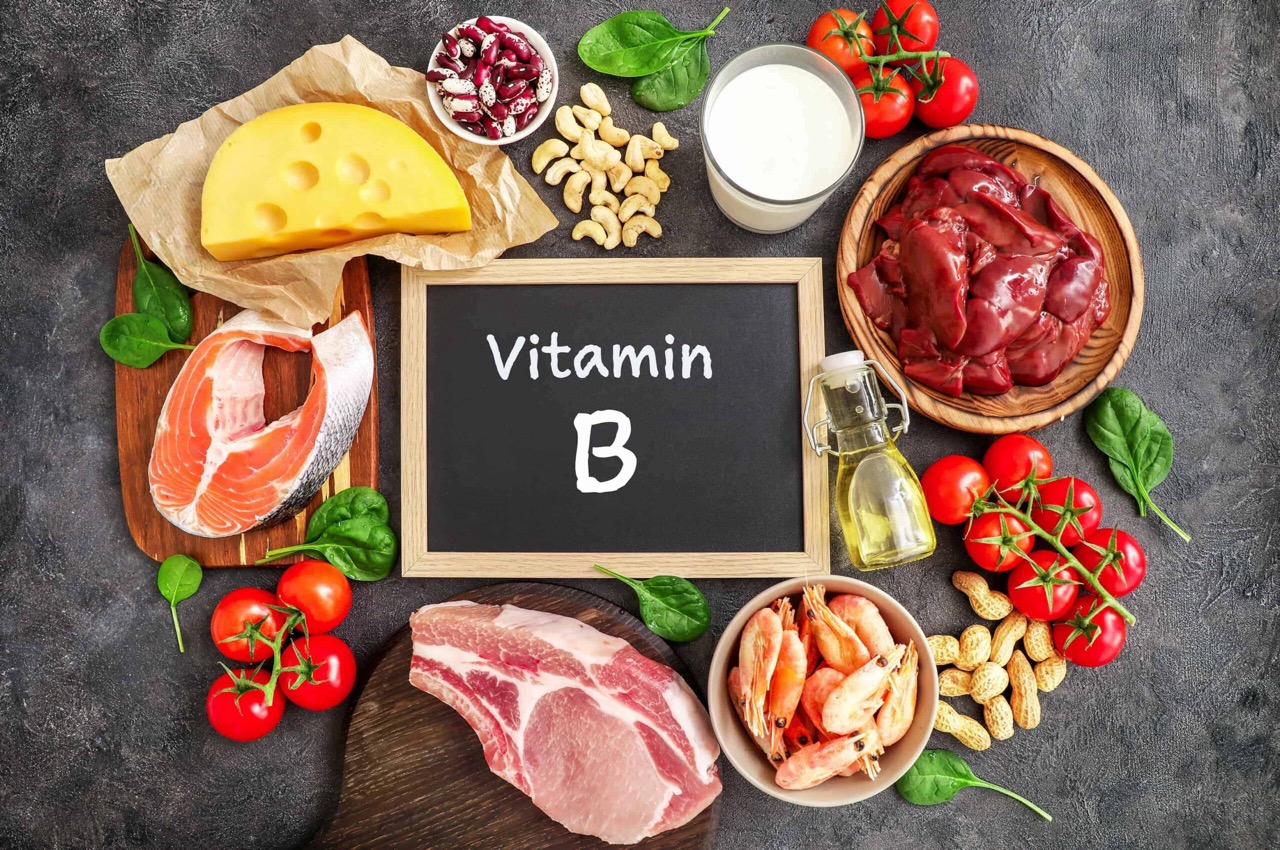
B-complex vitamins belong to the group of water-soluble vitamins. The food sources of these vitamins are very similar; therefore, if one vitamin from this group is sufficient, it is assumed that all are sufficient. Losses during food preparation occur mainly through leaching. B vitamins are essential for energy metabolism, as they are part of the enzymes responsible for obtaining energy from nutrients. Sufficient B vitamins are, among other things, beneficial for weight loss. Some B vitamins directly influence the rate of fat burning during physical activity. And since baked goods and side dishes are also sources of B vitamins, it is certainly not advisable to exclude them, even during a weight-loss diet.
TIP: If you are interested in how to lose weight healthily and sustainably, read this article.
In today’s article, we will summarize the basic functions of individual B vitamins, which foods contain these vitamins, and also what happens in the event of a deficiency. Let’s get to it!
Vitamin B1 – thiamine
Why is it important?
Vitamin B1, or thiamine, plays an important role in the metabolism of carbohydrates and amino acids, supports the nervous system, influences muscle tone, reduces depression, fatigue, muscle cramps, and anxiety, and supports proper heart function. Interestingly, thiamine is used in the treatment of alcoholism and other addictions.
Which foods contain it?
In low concentrations in a wide variety of foods, such as whole grains, legumes, meat, fruit, potatoes, or eggs.
Deficiency
Signs of deficiency appear after approximately one month of non-ingestion. The consequences include nausea, irritability, confusion, or beriberi disease.
During food preparation, up to 70% of thiamine can be lost, most often through leaching. It is sometimes added to meat as an additive, either for enrichment or flavor. It is also the first discovered water-soluble vitamin.
Vitamin B2 – riboflavin
Why is it important?
Riboflavin is important for obtaining energy from nutrients – carbohydrates, fats, and proteins – as well as for the proper function of the immune and nervous systems, and for healthy eyes and skin. It can also be used in the treatment of migraines in adults.
Which foods contain it?
Milk and dairy products, meat, whole grains, yeast.
Deficiency
Deficiency can lead to skin and mucosal disorders, inflammation, or fatigue.
Vitamin B3 – Niacin
Why is it important?
Niacin is essential for obtaining energy from carbohydrates, supports the proper function of the nervous system, healthy sleep, and healthy skin.
Which foods contain it?
Meat, organ meats, yeast, whole grains, and potatoes. The human body can also synthesize it from tryptophan, which is an essential amino acid found in certain protein-containing foods.
Deficiency
Insufficient intake of niacin can cause a disease called pellagra, also known as the 3D disease, which is associated with psychological, digestive, and skin problems. B3 deficiency can also cause skin damage, changes in the oral mucosa, fatigue, weakness, or digestive disorders.
Vitamin B5 – Pantothenic acid
Why is it important?
Vitamin B5 is necessary for growth and reproduction, as well as for the metabolism of carbohydrates, fats, and amino acids, hormone production, and the formation of red blood cells.
Which foods contain it?
Liver, fish, eggs, milk, cabbage, tomatoes, yeast.
Deficiency
Pantothenic acid deficiency is relatively rare; however, if it occurs, it manifests as headaches, fatigue, or apathy.
Vitamin B6 – pyridoxine
Why is it important?
It influences the function of the nervous and immune systems, is important for the proper function of red blood cells (hemoglobin production and oxygen transport), affects the metabolism of proteins and the synthesis of neurotransmitters such as serotonin, melatonin, dopamine, and norepinephrine, which affect the psyche and stress, helps the development and proper function of the brain, has a positive effect on inflammation, and participates in the regulation of normal blood glucose levels (B6 deficiency is common in diabetics). Vitamin B6 is also very important during pregnancy for the development of the fetal central nervous system. It also helps with nausea and influences the health and appearance of the skin.
Which foods contain it?
Vitamin B6 is best utilized from animal sources, such as meat, fish, organ meats, and egg yolks; it can also be found in nuts, whole grain products, or potatoes, though the bioavailability is significantly lower there.
Deficiency
Symptoms of vitamin B6 deficiency are different in children and adults. In children, it can cause convulsions, for example; in adults, skin disorders, hypochromic anemia, or depression.
Vitamin B9 – folic acid
Why is it important?
Many of you probably know vitamin B9 primarily in connection with pregnancy. However, its intake is just as important for any other group besides pregnant women. Folic acid is essential for the formation of red blood cells and DNA and supports immune system function. During pregnancy, it participates in the proper development of the fetus, and its intake reduces the risk of serious fetal defects, such as spina bifida. Folic acid supplementation is recommended at least 1 month before planned conception.
Which foods contain it?
As with B6, the bioavailability of the vitamin is higher in foods of animal origin. You can find it, for example, in leafy vegetables, liver, milk, eggs, legumes, or citrus fruits.
Deficiency
Deficiency can lead to anemia, hyperhomocysteinemia, or mucosal disorders. In pregnant women, there is a risk of fetal development disorders (growth disorders, clefts), a higher risk of miscarriage, or premature birth.
Vitamin B12 – cobalamin
Why is it important?
Like most of its counterparts in the group, vitamin B12 is important for nutrient metabolism, as well as for blood formation, the creation of genetic material, and the normal function of the nervous system.
Which foods contain it?
Vitamin B12 is primarily known among people who follow alternative diets, specifically vegans. Bioavailable vitamin B12 is found only in animal sources, i.e., in meat, organ meats, fish, milk, and eggs. For vegans, supplementation of this vitamin is necessary. Cobalamins can also be found in plant sources, but these are less bioavailable for us. Excess B12 is subsequently stored in the liver.
Deficiency
Nervous system damage, pernicious anemia, hyperhomocysteinemia, confusion, and irritability.
Vitamin B7/H – biotin
Why is it important?
Vitamin B7, also known as vitamin H or biotin, is again very important for nutrient metabolism, i.e., obtaining energy from carbohydrates, fats, and proteins. It takes care of healthy hair, nails, and skin and helps balance blood sugar levels.
Which foods contain it?
Liver, kidneys, yeast, egg yolk, milk, some legumes (peanuts, soy), chocolate, spinach. It is also partially produced in the gut microbiome.
Deficiency
Vitamin B7 deficiency is rare and has non-specific symptoms, such as skin disorders, muscle weakness, vomiting, depression, or hair loss.
Conclusion
It is likely evident that B-complex vitamins are very essential for our bodies and their intake should not be taken lightly. If you want to be sure that your intake of these vitamins is sufficient, rely on our meal boxes, which are packed with vitamins.
Author: Ing. Kristina Heřmanová